
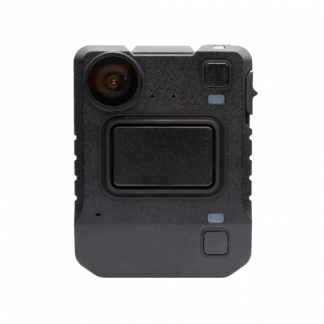
Body Worn Cameras for Security Guards: The Complete Buyer’s Guide
November 11, 2026Body worn cameras have moved from police forces into everyday security work. Guards, retail loss-prevention teams, hospital security, parking enforcement and event staff now wear them on every shift. Used well, a body camera reduces aggression, protects your officers from false complaints and gives you clear, timestamped evidence when incidents do happen. This guide covers why security teams use body worn cameras, which features matter, and how to choose the right model.
Why security teams use body worn cameras
1. De-escalation
People tend to behave better when they know they are being recorded. Many teams find that simply telling a person “this conversation is being recorded” calms a tense situation before it becomes physical.
2. Reliable evidence
Video from the officer’s point of view, with audio and an accurate timestamp, is far more persuasive than written statements alone. It helps police, insurers and courts understand what really happened.
3. Protection against false complaints
When a guard is accused of misconduct, footage can quickly confirm or disprove the claim. This protects your staff, your client relationships and your company’s reputation.
4. Training and quality control
Reviewing real incidents helps supervisors coach officers, improve procedures and demonstrate service quality to clients.
5. Lone worker safety
Connected cameras with live streaming and GPS let a control room see what a lone officer sees and send help to the right place quickly.
Key features to compare
- Video quality: 1080p Full HD is the practical minimum. Higher resolutions such as 2K capture more detail like faces and number plates. A wide field of view captures more of the scene.
- Low-light performance: much security work happens at night. Look for good low-light sensors or infrared night mode.
- Battery life: the camera must last a full shift. Check recording time and standby time, and whether batteries are swappable.
- Pre-record buffer: the camera continuously buffers a short period of video, so when the officer presses record, the moments before the incident are saved too.
- One-touch recording: a large, easy-to-find record button or slide switch that works in a stressful moment.
- Durability: drop resistance and an IP rating for rain and dust.
- Connectivity: Wi-Fi or 4G LTE models can upload footage automatically and stream live to a control room.
- Radio integration: some cameras double as a remote speaker microphone (RSM) for your two-way radio, so officers carry one device on the shoulder instead of two.
- Evidence management: secure docking, encrypted storage, audit trails and controlled sharing keep footage admissible and compliant with privacy rules.
Body worn cameras we recommend
Motorola VB400
A proven, widely deployed body camera with HD video, long battery life and secure evidence handling. A strong all-round choice for security companies, retailers and healthcare.
Motorola V200
A connected body camera designed for public safety and professional security, built to work within Motorola’s evidence management ecosystem.
Motorola VT100
Lightweight and easy to use, the VT100 suits frontline staff who need dependable all-day recording without complexity.
Hytera VM580D and VM780
These Hytera cameras combine a body worn camera with a remote speaker microphone, reducing the number of devices on an officer’s uniform. The VM780 is available as a six pack for larger teams.
Hytera GC550 and SC580
The GC550 is a compact mini body camera recording 2K video, ideal where a small, discreet unit is preferred. The SC580 is a smart body camera for teams that want more advanced, connected features.
Compare all models in our body worn cameras category.
Policy and privacy: get it right before you deploy
A body camera program is only as good as the policy behind it. Before rollout, decide:
- When officers must start and stop recording, and when recording is not allowed (for example in restrooms).
- How officers tell people they are being recorded.
- Who can access footage, how long it is kept, and how it is shared with police or clients.
- How you comply with local privacy, data protection and audio-recording consent laws, which vary by state and country.
We recommend reviewing your policy with your legal advisor and training every officer before the cameras go live.
Pair body cameras with the right radios
Body cameras work best alongside reliable two-way radios. Read our guide to the best walkie-talkies for security companies, or browse our portable two-way radios and PoC radios for nationwide coverage.
Get a quote for your team
Whether you need five cameras for a single site or hundreds for a national security contract, our specialists can help you choose the right model, accessories and docking, with bulk pricing and fast shipping across the US.