
ATEX Radios Explained: How to Choose an Intrinsically Safe Two-Way Radio
November 11, 2026In oil and gas, chemical plants, refineries, mines, grain silos and fuel depots, an ordinary two-way radio can be a hazard in itself. A spark from a battery contact or a hot component can ignite flammable gas, vapour or dust. That is why these sites require ATEX-certified, intrinsically safe radios. This guide explains what ATEX means, how to read the certification label, and how to choose the right radio for your zone.
What is an ATEX radio?
ATEX comes from the French “ATmosphères EXplosibles”. It refers to the EU directive 2014/34/EU, which sets the rules for equipment used in potentially explosive atmospheres. An ATEX radio has been designed and independently certified so that it cannot release enough electrical or thermal energy to ignite the surrounding atmosphere, even when a fault occurs.
Most ATEX radios achieve this through intrinsic safety, shown on the label as “Ex i”. Intrinsically safe design limits the voltage, current and stored energy in every circuit, and controls surface temperatures, so the radio stays safe in normal use and under specified faults.
Outside Europe you will also see IECEx, the international certification scheme, and in North America radios are certified to standards such as UL 913 for use in Class I, Division 1 locations. Always check that the certification matches the rules that apply at your site.
Understanding hazardous area zones
Hazardous areas are classified by how often an explosive atmosphere is likely to be present:
- Zone 0 (gas) / Zone 20 (dust): an explosive atmosphere is present continuously or for long periods.
- Zone 1 (gas) / Zone 21 (dust): an explosive atmosphere is likely to occur in normal operation.
- Zone 2 (gas) / Zone 22 (dust): an explosive atmosphere is unlikely, and if it occurs, only briefly.
Most portable ATEX radios are certified for Zone 1 and Zone 2 (and often Zones 21 and 22 for dust), which covers the majority of working areas on oil, gas and chemical sites. Your site’s hazardous area classification drawing tells you which zones apply.
How to read an ATEX marking
ATEX labels look complicated, but each part has a clear meaning. Take the marking on the Entel DT952 as an example: II 2G Ex ib IIC T4 Gb.
- II – Equipment Group II: for surface industries (Group I is for mining).
- 2G – Category 2 for gas atmospheres, suitable for Zone 1 and Zone 2.
- Ex ib – Protected by intrinsic safety, level “b”. Level “ia” is the highest and can be used in Zone 0.
- IIC – Gas group. IIA covers gases such as propane, IIB covers gases such as ethylene, and IIC covers the most easily ignited gases such as hydrogen and acetylene. A IIC radio is also safe for IIA and IIB.
- T4 – Temperature class. The radio’s maximum surface temperature will not exceed 135°C. T1 is the least strict and T6 (85°C) the strictest.
- Gb – Equipment Protection Level for gas, suitable for Zone 1.
The rule is simple: the radio’s group, temperature class and protection level must meet or exceed what your hazardous area requires.
Features to look for in an ATEX radio
- Loud, clear audio: process plants are noisy. Look for high audio output and digital noise suppression.
- Glove-friendly controls: large buttons and knobs that work with PPE.
- Safety features: man-down, lone worker and emergency buttons can save lives when a worker is incapacitated.
- Digital performance: DMR or TETRA radios give clearer audio at the edge of coverage and longer battery life than analogue.
- Certified accessories: only use ATEX-approved batteries, headsets and speaker microphones. A non-certified accessory voids the radio’s safety rating.
- Compatibility with your network: make sure the ATEX radio works on the same system as the rest of your fleet.
ATEX radios we recommend
Motorola MOTOTRBO ATEX radios (DMR)
The Motorola DP4401 Ex and DP4801 Ex are proven intrinsically safe MOTOTRBO radios with excellent audio and full compatibility with standard MOTOTRBO fleets. The newer R7Ex, available in non-keypad and full-keypad versions, brings the R7’s class-leading audio to hazardous areas.
Motorola TETRA ATEX radios
For sites on a TETRA network, the Motorola MTP8500Ex and MTP8550Ex deliver loud, clear TETRA communications with a rugged design built for oil, gas and firefighting teams.
Entel ATEX radios
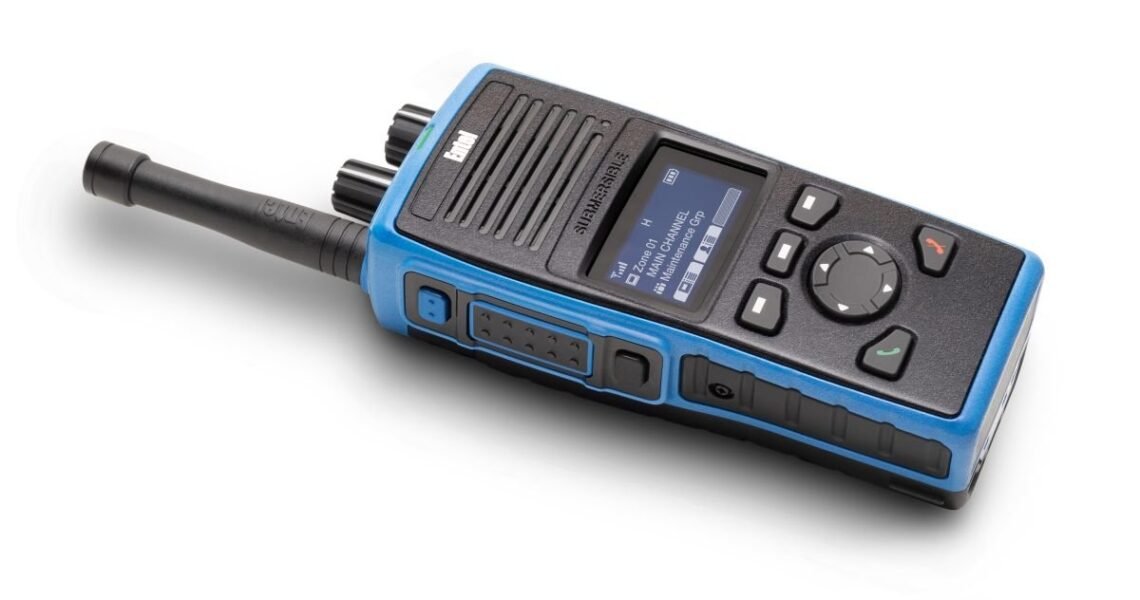
Entel specializes in hazardous-area radios. The Entel DT985 is a licensed UHF ATEX radio with an LCD display, also available in twin and quad packs. For licence-free use, the Entel DT952 (digital DMR and analogue PMR446) and DT953 (PMR446 with display) give simple, intrinsically safe communication without a radio licence.
See the full range in our ATEX intrinsically safe radios category.
Common mistakes to avoid
- Buying a “rugged” or IP67 radio and assuming it is safe for hazardous areas. Waterproof is not the same as intrinsically safe.
- Using a non-certified battery or headset with a certified radio.
- Choosing a radio rated for a lower gas group or temperature class than your site requires.
- Repairing ATEX radios outside an authorized service center, which can invalidate the certification.
Need help choosing?
Every hazardous site is different. Tell us your zone classification, gas group and the radio system you already use, and our specialists will recommend a compliant radio and accessories. Contact Radio Solutions Hub for expert advice and bulk pricing on ATEX radios.